Building a House in Tyumen: Practical Guide for Cold-Climate Construction
Building a House in Tyumen: Practical Guide for Cold-Climate Construction
Tyumen and the surrounding oblast sit in the continental Siberian climate zone: long, cold winters, short summers, seasonal freezing and thawing of soils, and significant snow loads. These conditions determine nearly every major decision in house design and construction. Below is a focused, practical guide to planning and building a durable, comfortable, energy-efficient home in Tyumen.
1. Start with local surveys and regulations
— Order a geotechnical (soil) survey before choosing foundation type: seasonal frost, high groundwater and frost heave risk vary by site.
— Ensure designs comply with Russian construction standards (SNiP / SP) and local Tyumen municipality requirements.
— Obtain required permits (land use, building permit, utility connection approvals) early — paperwork can take weeks to months.
2. Design for the climate
— Prioritize a continuous, well-insulated thermal envelope and airtightness to reduce heating loads.
— Orient main glazing to maximize winter solar gain while controlling summer overheating (use shading where needed).
— Plan for durable external finishes and access for winter maintenance (snow clearing).
3. Foundations: fight frost and water
— Base foundation design on soil survey results and frost depth at the site.
— Options:
— Strip/monolithic reinforced concrete foundations placed below the local frost penetration line (common for stable soils).
— Pile foundations (driven or screw piles) where soils are weak, compressible or where frost heave is significant.
— Frost-protection measures: insulation at foundation perimeter, drainage, and proper grading to move water away from the foundation.
— Provide good site drainage and consider a gravel drainage layer to reduce frost-related movement.
4. Wall systems and structural choices
— Common systems in the region:
— Timber frame with thick insulation or SIP panels — fast to erect, high performance when well detailed.
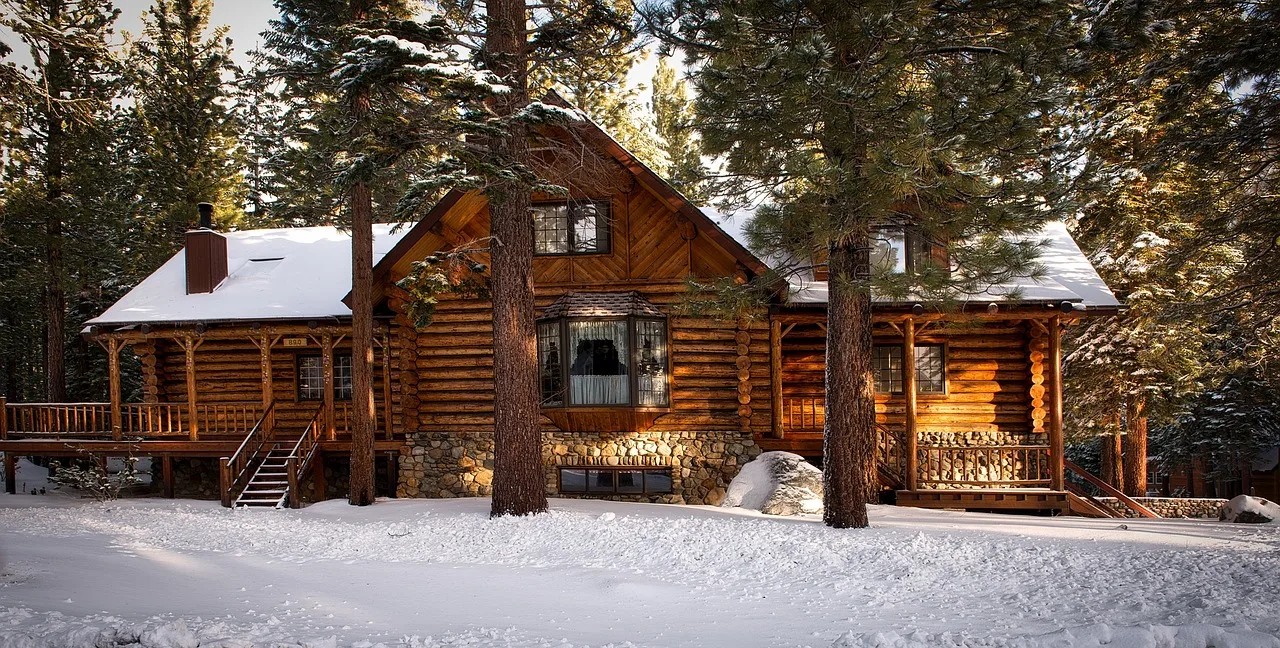
— Log or timber houses — traditional, warm, but need careful detailing for settling and airtightness.
— Masonry (brick, AAC blocks, concrete) — durable, high thermal mass; pair with external insulation to avoid thermal bridges.
— Emphasize airtightness detailing at joints, corners, and wall-to-roof intersections.
5. Insulation and energy efficiency
— Insulate walls, roof and foundation to reach low heat-loss targets — Tyumen’s climate demands robust insulation.
— Use vapor control layers and ensure proper ventilation to avoid condensation and mold.
— Consider mechanical ventilation with heat recovery (HRV/ERV) to maintain indoor air quality while conserving heat.
— Apply continuous insulation where possible to minimize thermal bridges (insulated sheathing, external insulation).
6. Roof design and snow loads
— Design roof pitch and structure for local snow loads; Tyumen winters bring heavy, long-lasting snow.
— Use durable roofing materials and install snow guards, strong gutters and robust roof drainage.
— Consider roof insulation strategies:
— Warm roof (insulation above the structural deck) to keep roof structure warm and reduce ice damming risk.
— Provide safe access routes/anchoring for snow removal if needed.
7. Windows and doors
— Install well-insulated, multi-pane (preferably triple-glazed) windows with thermally broken frames.
— Ensure tight seals, robust thresholds and insulated sills to prevent cold bridging.
— Air-locks or vestibules at main entrances help reduce heat loss when doors open.
8. Heating and energy systems
— Tyumen has extensive natural gas infrastructure in many areas — gas boilers are common and economical where available.
— Alternatives: high-efficiency electric boilers, pellet/solid fuel boilers, or hybrid systems.
— Ground-source heat pumps are feasible but require careful design with consideration of ground frost and drilling logistics.
— Combine with underfloor heating for even distribution and lower supply temperatures, plus radiators where needed.
9. Water, sewage and frost protection
— Insulate and/or bury water supply pipes below frost penetration depth where possible.
— Use heat-traced piping or insulated housings for above-ground runs.
— Sewage: connect to municipal systems when available; otherwise design frost-protected septic systems or insulated treatment units.
— Plan for reliable winter access to shutoffs and service points.
10. Ventilation and moisture control
— Mechanical ventilation with heat recovery (HRV) is highly recommended for energy savings and condensation control.
— Ensure exhaust routes are frost-proofed to avoid clogging with ice.
— Control indoor humidity to prevent condensation on cold surfaces during winter.
11. Construction season, logistics and prefabrication
— Short construction season favors prefabrication (panelized walls, SIPs, modular elements) and efficient scheduling.
— Source materials and contractors familiar with Siberian conditions; seasonal delivery challenges exist (frozen ground, road access).
— Plan temporary winter works (heated enclosures, winter concreting measures) if building outside the warm season.
12. Choosing contractors and quality control
— Hire contractors experienced with local climate challenges and Russian building codes.
— Check licenses, references, and examples of completed local projects.
— Insist on a realistic warranty and a schedule of milestone inspections (foundations, insulation, airtightness, roof).
13. Practical checklist (quick)
— [ ] Geotechnical survey completed
— [ ] Building permits and utility approvals secured
— [ ] Foundation designed for frost depth and soil conditions
— [ ] Continuous thermal envelope with vapor control detailed
— [ ] Mechanical ventilation with heat recovery planned
— [ ] Heating system selected (gas availability checked)
— [ ] Water and sewage frost-protection measures specified
— [ ] Snow-load-compliant roof and snow retention devices chosen
— [ ] Windows: high-performance multi-pane units specified
— [ ] Contractors with local experience contracted
14. Cost and schedule tips
— Investing