House Construction in Tyumen, Russia — Practical Guide for Homeowners
Introduction
Building a home in Tyumen requires planning for long winters, variable soils and local administrative procedures. This guide distills the practical steps, material choices and decision points to help you move from plot to comfortable, energy-efficient house with minimal surprises.
Key local conditions to consider
— Climate: continental — cold, snowy winters and warm summers. Long heating season means high emphasis on insulation and airtightness.
— Soil and groundwater: many plots in the Tyumen region have soft or humid soils and seasonal groundwater fluctuations; frost heave is a risk. A geotechnical survey is essential.
— Utilities: gas is widely available in and near Tyumen city, but remote plots may require well water, septic systems or alternative heating. Confirm utility connections early.
Site and design decisions
— Obtain a detailed topographic and geotechnical survey before finalizing foundation and drainage plans.
— Orient the house for passive solar gain where possible (larger glazing to the south, shading to the west).
— Design a compact, well-insulated envelope; minimizing thermal bridges reduces heating costs and condensation risk.
— Plan for snow loads and wind exposure — roof pitch and structural sizing must match local snow load calculations.
Foundations and groundworks
— Base foundation type on soil report: strip foundations for stable soils; pile or pile-raft foundations for weak or high-water tables.
— Insulate foundations and slab edges (XPS/penoplex recommended) and provide perimeter drainage to prevent frost-related heave.
— Waterproof basement walls and use proper sub-surface drainage to protect against spring meltwater.
Walls and insulation: material choices
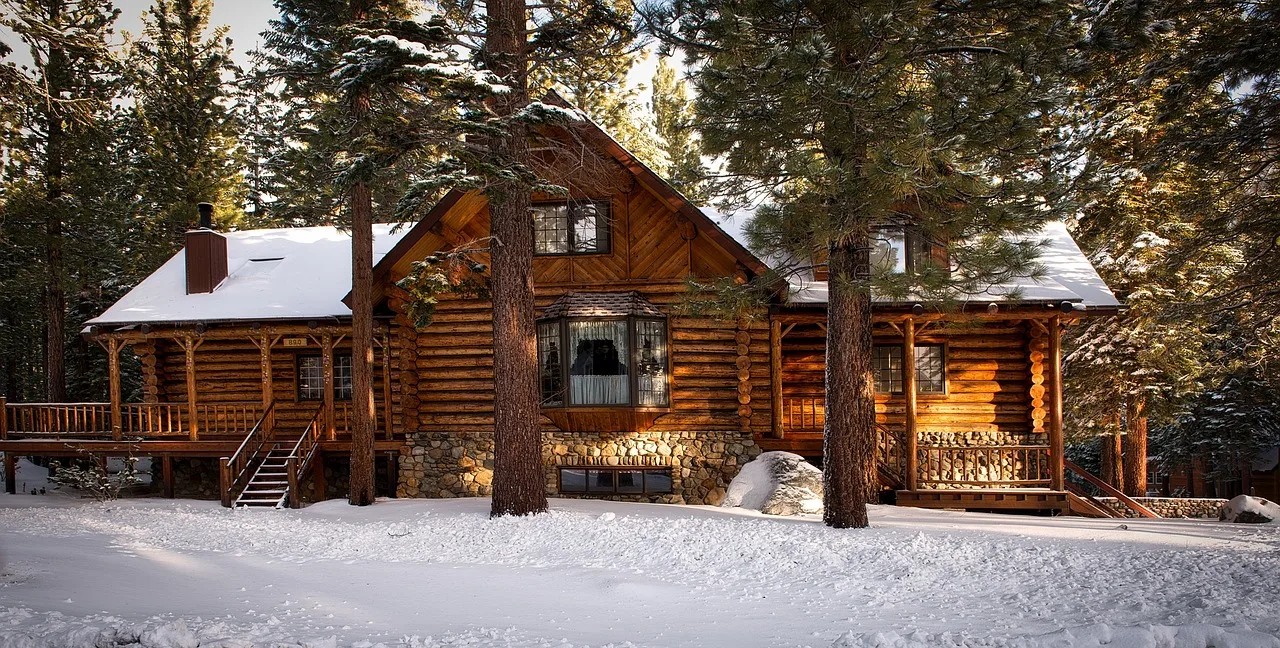
— Timber/Log: traditional and fast to build; requires good detailing for airtightness and settlement (for logs). Best with high-quality insulation layers.
— SIP panels / timber-frame: quick erection, good thermal performance if airtightness is achieved and insulation is properly installed.
— Aerated concrete (gazobeton) and brick: durable masonry options; require external or cavity insulation to reach modern U-values.
— Use high-quality insulation (mineral wool, EPS, XPS) sized for the expected U-values and condensation control. Aim for well above minimum code insulation because of Tyumen’s long heating season.
Roof and snow management
— Choose a roof pitch and material that shed snow reliably (metal roofing is common and durable).
— Install snow guards and design eaves to prevent dangerous snowfalls and ice dams.
— Ensure roof insulation and ventilation to avoid melting snow that refreezes at eaves.
Windows, doors and airtightness
— Use triple-glazed windows in exposed locations; ensure correct installation with continuous insulation around frames.
— High-quality external doors with thermal breaks and good sealing.
— Prioritize airtightness and a planned ventilation strategy — a mechanically ventilated system with heat recovery (MVHR) dramatically improves efficiency and indoor air quality.
Heating, hot water & energy systems
— Gas boilers are common and efficient where gas is available; pellet, electric or hybrid systems are alternatives in non-gasified areas.
— Consider underfloor heating on ground floors for comfort and even heat distribution.
— Heat pumps (air-source or ground-source) can be viable but require careful sizing and consideration of winter performance in Tyumen’s cold climate.
— Plan for thermal hot water backup and boiler room layout during the design stage.
Water, sewage and drainage
— Check municipal sewer and water availability; if absent, design a septic system and reliable well or groundwater system.
— Ensure sloped site drainage and stormwater management to handle spring melt and summer rains.
— Insulate exposed piping to prevent freezing in winter.
Permits, codes and paperwork
— Start early with local authorities: building permits (разрешение на строительство) or notification procedures may be required depending on project scope.
— Work with a certified architect/engineer to ensure compliance with Russian building codes (СП, СНиП) and local regulations.
— Prepare cadastral documentation, land-use approvals and utility connection agreements before major works begin.
Budget drivers and timeline
— Major cost factors: land preparation, foundation type, structural system, finishing level, mechanical systems (heating/ventilation), and utility connections.
— Typical timeline for a single-family home: 6–18 months depending on permit speed, foundation complexity, weather and interior finish level. Winter construction is possible but often slows and requires special measures.
Choosing contractors and contracts
— Hire licensed contractors with a local portfolio—ask for references and completed projects in Tyumen’s climate.
— Use a clear contract: scope, fixed price or cost-plus terms, payment schedule, milestones, change-order rules and warranty terms.
— Regular on-site supervision by the client or an independent engineer reduces errors and hidden costs.
Construction checklist (must-haves)
— Geotechnical and topographic surveys
— Approved drawings and permits
— Utility connection agreements (gas, water, electricity)
— Foundation waterproofing and insulation plan
— Ventilation and heating system design