Building a House in Tyumen: Practical Guide for Owners and Developers
Introduction
Building a house in Tyumen (Тюмень) requires decisions shaped by cold continental climate, local soils and utility availability. This guide gives practical, region‑aware advice—from site investigation and foundations to materials, utilities and permits—so your project is durable, energy‑efficient and suited to Tyumen conditions.
Key local conditions to plan for
— *Long, cold winters and large temperature swings* — ensure winterization, robust insulation and minimal thermal bridges.
— *Seasonal ground freezing and variable groundwater* — frost heave and high water table can affect foundations.
— *Good local gas infrastructure in many areas* — gas heating is often available and economical, but verify connection on your plot.
— *Short construction season for earthworks* — spring thaw and autumn freeze influence scheduling; winter construction is possible but more expensive.
Start with a geotechnical survey and plot check
— Order a soil (geotechnical) investigation before design. It determines bearing capacity, frost depth, groundwater level and presence of peat or compressible soils.
— Verify land status and restrictions with the municipality: zoning use, building lines, easements, flooding or protected areas.
— Check utility availability: gas, electricity capacity, water mains and sewer connection or need for a septic system.
Foundations: choose based on soil and frost
— For stable, well‑drained soils: strip or shallow foundations may be appropriate.
— For weak, compressible or peat soils: pile foundations (driven or screw piles) are widely used and reliable.
— On high groundwater or severe frost heave risk, consider raised slab or pile‑beam systems.
— Always design foundations from geotech data and local building standards; frost protection and waterproofing are essential.
Structure and building materials
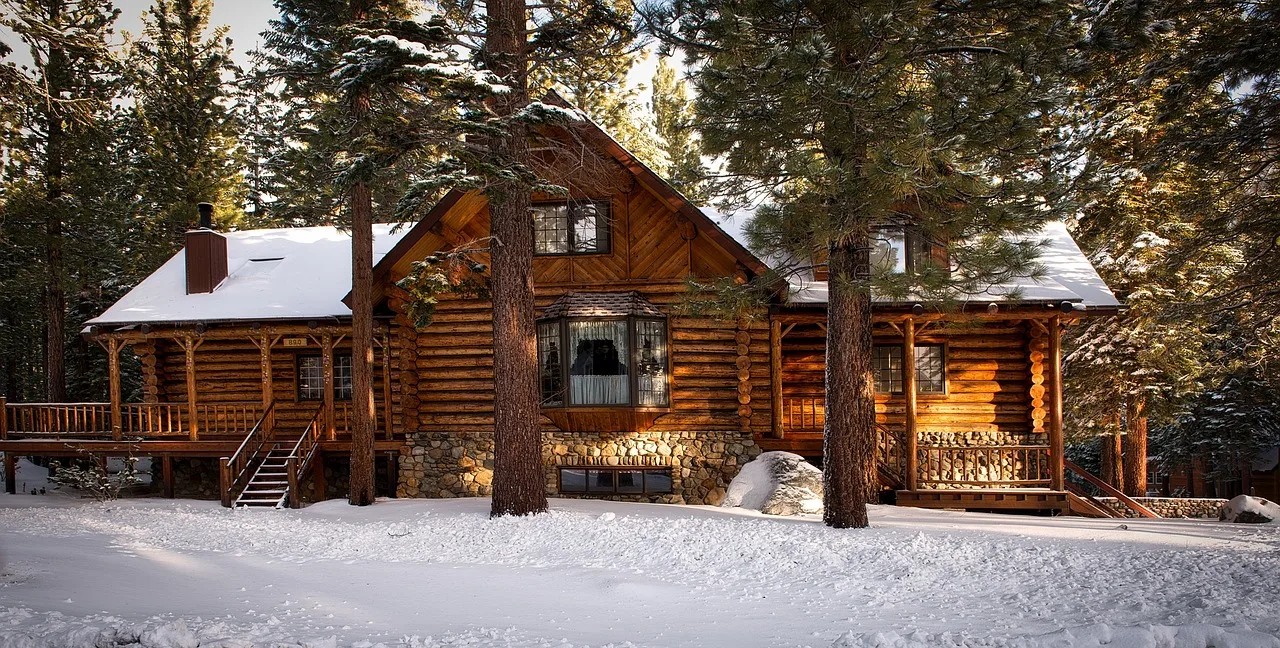
— Timber: log or frame houses are traditional and thermally efficient when properly insulated and sealed. Frame (timber‑frame) allows fast construction and good insulation continuity.
— Masonry (brick, ceramic block): durable, good thermal mass; combine with external insulation (ventilated façade, EIFS) to meet energy needs.
— Aerated concrete (gas blocks): popular for walls—light, good insulation, but require proper reinforcement and external insulation to avoid thermal bridging and moisture issues.
— Hybrid systems (timber + masonry) can balance cost, speed and durability.
Insulation, windows and air sealing
— Prioritize continuous thermal envelope: insulated foundations, walls, roof and airtight junctions.
— Use high‑performance windows (double or triple glazing depending on budget and orientation) with proper installation to avoid cold bridges.
— Pay attention to roof and attic insulation—heat loss through roof is significant in Tyumen’s climate.
— Mechanical ventilation with heat recovery (MVHR/HRV) is highly recommended in tightly sealed houses to maintain air quality and recover heat.
Heating, water and energy systems
— Gas boilers are common and efficient where gas is available. Alternative or backup: pellet, electric, or combined systems.
— For energy efficiency consider heat pumps (air‑source can work, but performance depends on technology and winter temps) combined with low‑temperature distribution (underfloor heating, low‑temp radiators).
— Insulate water supply lines and place critical equipment above frost line to avoid freezing.
— Plan hot water systems and consider solar thermal or PV for supplemental energy if roof orientation and budget permit.
Sewage and water supply
— Urban plots often connect to municipal water and sewer—confirm connection costs and timelines.
— For rural/suburban plots without sewer, design a septic system sized for occupants and soil permeability; consider prefabricated treatment units if space or soil conditions are limiting.
— Ensure wastewater systems are frost‑protected and vented properly.
Roofing and exterior protection
— Use durable roofing materials rated for snow loads and freeze‑thaw cycles (metal roofing, ceramic tiles with proper underlayment, or quality membranes).
— Design roof overhangs, eaves and drainage to protect walls from snow and ice.
— Facade materials must handle temperature swings and moisture—ventilated cladding systems, quality paints/coatings and moisture barriers are important.
Permits, documentation and local rules
— Obtain required project approvals and a construction permit (разрешение на строительство) before starting major works. Municipal rules govern setbacks, height and aesthetics in some neighborhoods.
— Keep a complete project package: architectural project, engineering (foundation, structural, heating, drainage), geotech report and utility agreements.
— Coordinate with utility providers early—gas and power connections can have long lead times.
Contractors, procurement and quality control
— Vet contractors: check local references, past projects and registration/licenses to work in Tyumen region. Ask for guarantees and a detailed contract with payment milestones.
— Local suppliers reduce logistics costs—inspect samples of insulation, windows and roofing before purchasing.
— Schedule independent inspections at critical stages (foundation, enclosure, systems) to avoid costly rework.
Seasonal timing and logistics
— Best period for earthworks and foundation pouring is when ground is unfrozen and not excessively wet; thaw season can be tight—plan early.
— Winter construction is feasible (concrete additives, heating) but increases cost and complexity.
— Ensure site access in winter—snow clearance and road conditions affect material deliveries.
Budgeting and typical timeline
— Budget contingency: include at least 10–20% contingency for unforeseen ground conditions, permit delays or design changes.
— Timeline (typical small house, approximate): design & approvals 2–6 months; foundation 1–2 months; shell 2–4 months; interior & systems 2–6 months—total 7–18 months depending on complexity and season.
Common mistakes to avoid
— Skipping or skimping on geotechnical investigation.
— Underestimating heat loss, poor airtightness and inadequate ventilation.
— Choosing cheapest windows/doors and poor installation—leading to condensation and heat loss.
— Delaying utility checks; finding out gas/electric capacity limitations mid‑