Building a Home in Tyumen: Practical Guide to Planning, Construction, and Local Considerations
Introduction
Building a house in Tyumen requires adapting to Siberian conditions, regional regulations and local construction practices. This guide summarizes the key steps, technical decisions and common pitfalls to help you plan a comfortable, durable and cost-effective home in the Tyumen region.
Key local conditions to plan for
— *Climate*: Long, cold winters and relatively short warm summers. Prioritize thermal performance, airtightness and reliable heating.
— *Frost and soil behavior*: Significant frost depth and seasonal thaw can cause frost heave. A geotechnical survey is essential to select a suitable foundation type and depth.
— *Water table and drainage*: In some areas groundwater and spring melt can be high — plan effective site drainage and waterproofing.
— *Availability of fuel and utilities*: Tyumen is part of Russia’s developed gas network in many places, but connection depends on plot location. Electricity and water connections vary between city, suburban and rural plots.
Before you build: permits and preparatory steps
— Commission a geotechnical (soil) survey — foundation design should be based on real data, not assumptions.
— Obtain required approvals: land use zoning, building permits and technical conditions for gas, water and electricity connections. Prepare design documentation required by local authorities.
— Register the building plot’s cadastral details and ensure utility easements are clear.
— Prepare a realistic budget that includes design, construction, contingency (10–20%), connection fees and landscaping.
Foundation: types and recommendations
— Start with the geotechnical report. Typical foundation choices:
— *Strip foundations* for stable soils with low frost action.
— *Pile foundations (screw piles or bored piles)* are common where frost depth is deep or soils are soft — they reduce risk from frost heave.
— *Monolithic slab-on-grade* with proper edge insulation and depth may work if designed to resist frost effects.
— Insulate foundations vertically and horizontally where needed; ensure perimeter drainage (French drains) to divert meltwater away from the foundation.
Walls and structural systems
— Popular wall materials in the region:
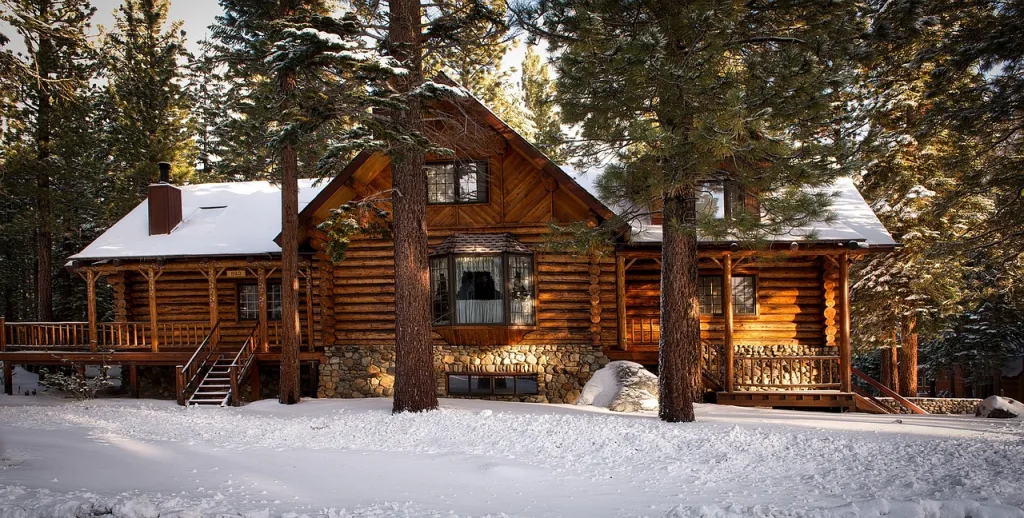
— *Timber (logs, timber frame)* — fast and good thermal performance when properly insulated and sealed; wood requires careful detailing to avoid moisture and settling issues.
— *Brick and block (clinker, ceramic brick, gas concrete/AAC)* — durable, good thermal mass; external insulation often required to meet modern energy standards.
— *SIP panels and prefabricated systems* — fast assembly and good insulation, but require excellent airtightness and vapor control detailing.
— Choose systems that allow robust insulation and an air-tight envelope. Pay attention to joint detailing, wind barriers and vapor control layers.
Thermal insulation and airtightness
— External (cavity or ETICS) insulation is generally preferable to reduce thermal bridges.
— Use quality insulation: mineral wool, extruded polystyrene (XPS) for foundation and basement zones, or PIR/PUR where appropriate.
— Install a continuous windproof membrane on timber and frame structures; add a proper vapor barrier on the warm side.
— Aim for triple-glazed windows or high-performance double glazing and insulated frames. Pay special attention to installation quality — poorly installed windows cause most air-leaks.
Heating, ventilation and hot water
— Heating choices:
— *Gas boilers* are common and economical where municipal gas is available.
— *Solid fuel (wood/pellet) boilers* can be a backup or primary option for remote plots.
— *Electric heating and heat pumps* are alternatives but consider electricity tariffs and efficiency.
— Plan for balanced mechanical ventilation with heat recovery (MVHR/recuperator) to keep indoor air fresh and retain heat — especially important in airtight, well-insulated homes.
— Design hot water supply with redundancy (e.g., backup electric boiler) to avoid outages during cold snaps.
Roof and snow loads
— Roof design must account for heavy snow loads and possible ice dams. Choose durable roof covering (metal tile, standing seam metal, high-quality ceramic/bitumen shingles).
— Provide reliable roof insulation, ventilation of the attic, and heated gutters or snow guards where necessary to control snow slippage and ice formation.
Waterproofing and site drainage
— Protect below-grade structures with reliable waterproofing membranes and drainage systems.
— Slope the site away from the house, use perimeter drains and stormwater retention if needed to manage spring melt.
— Consider frost-protected shallow foundations where applicable to reduce excavation and insulation work.
Utilities and connections
— Apply early for technical conditions for gas, water and electricity — lead times can be months.
— For rural plots: evaluate need and costs for wells, septic systems or STP (local treatment plant) and road access improvements.
— Plan cable routing, transformer placement and backup power (generator) if grid reliability is a concern.
Working with contractors and procurement
— Decide turnkey contractor versus general contractor + subcontractors. Turnkey is simpler; general contracting can be more flexible but needs close supervision.
— Get multiple bids and check references, completed projects and warranty terms.
— Insist on a clear contract specifying scope, timelines, payment schedule, materials and guarantees.
— Source high-quality materials and protect them on-site from moisture and frost.
Budgeting and timeline considerations
— Construction in Tyumen is seasonal: heavy earthworks and exterior work are easier in warmer months; plan critical groundworks (foundation, drainage) for frost-free months where possible.
— Allow contingency for unexpected ground conditions, price fluctuations and delays due to permitting or winter weather.
— Factor in ongoing operating costs: heating, snow removal, maintenance of drainage and roofs.
Common mistakes to avoid
— Skipping geotechnical investigation or under-designing foundations for frost.
— Poor airtightness and ventilation planning leading to condensation and mold.
— Underestimating costs and the time required for utility connections.
— Choosing low-cost windows/doors but failing to ensure correct installation.
— Ignoring site drainage and slope — leading to damp basements and issues after spring melt.
Sustainability and comfort tips
— Prioritize insulation and air-tightness — reduces long-term heating costs most effectively.
— Use heat-recovery ventilation for comfort and energy savings.
— Consider passive solar orientation for living areas and windows where possible.
— Use durable, low-maintenance exterior finishes suitable for freeze-thaw cycles.
Final checklist before breaking ground
— Geotechnical report completed and foundation design approved.
— Building permit and all necessary approvals obtained.
— Technical conditions and preliminary agreements for gas, water, electricity.
— Contract with builder/GC and clarified scope, schedule, payment, warranties.
— Site plan including drainage, access, temporary facilities and storage.
— Budget with contingency and plan for seasonal constraints.
Conclusion
Building in Tyumen requires careful attention to frost action, insulation, heating and water management, plus early coordination with utility providers and authorities. With proper site investigation, a climate-adapted design and reliable contractors, you can create a warm, durable and efficient home suited to the Siberian environment.
If you’d like, I can prepare a brief checklist tailored to your plot (questions for a geotechnical survey, sample